

Are YY Lashes Eco - friendly?
As a supplier of YY lashes, I've been deeply involved in the beauty industry, constantly exploring and understanding the products we offer. One question that has been increasingly on the minds of consumers and industry players alike is whether YY lashes are eco - friendly. In this blog, I'll delve into this topic, examining the various aspects that contribute to the environmental friendliness of YY lashes.
Understanding YY Lashes
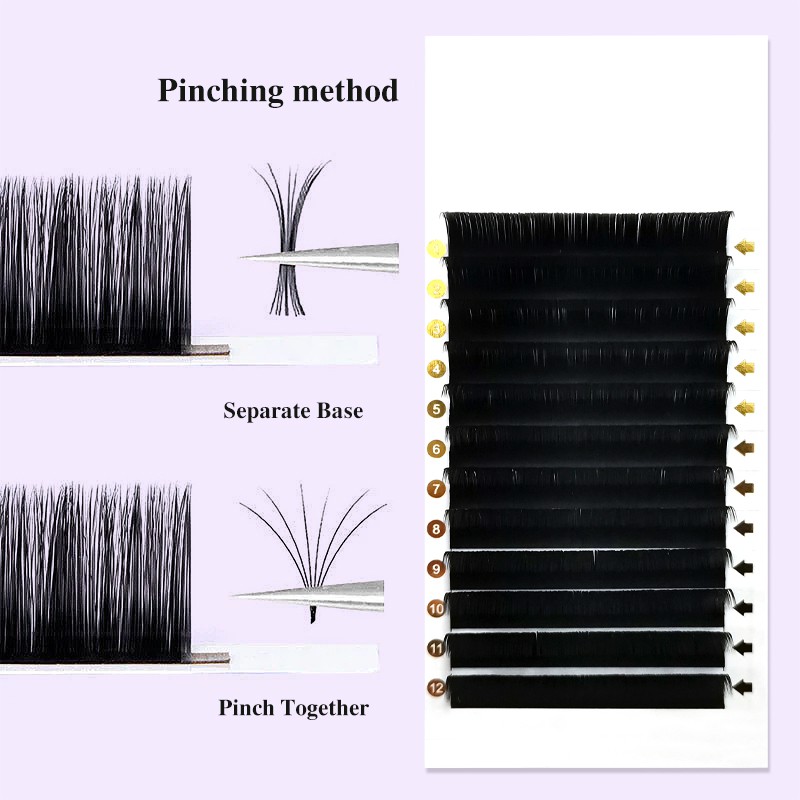
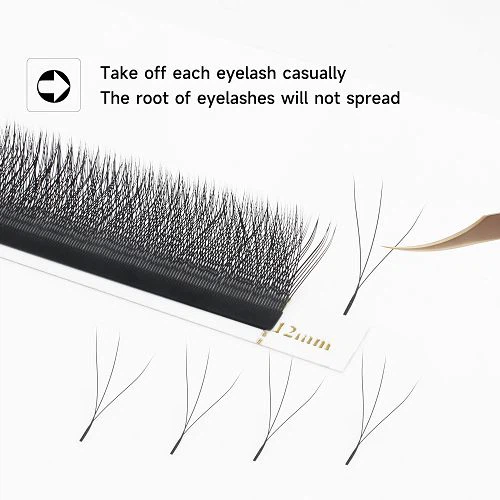
YY lashes are a type of eyelash extension that has gained significant popularity in recent years. They are named for their unique Y - shaped design, which allows for a more voluminous and natural - looking lash effect compared to traditional single - strand extensions. YY Lashes are typically made from synthetic materials, most commonly polyester or PBT (polybutylene terephthalate). These materials are chosen for their durability, flexibility, and ability to mimic the look and feel of natural lashes.
The Production Process
The production of YY lashes involves several steps, each with its own environmental implications. The first step is the manufacturing of the synthetic fibers. This process often requires the use of chemicals and large amounts of energy. For example, the production of polyester involves the polymerization of ethylene glycol and terephthalic acid, which is an energy - intensive process. Additionally, the chemicals used in the production can have a negative impact on the environment if not properly managed.
However, many modern lash manufacturers, including those I work with, are taking steps to reduce the environmental impact of the production process. Some are using more energy - efficient manufacturing techniques, such as using renewable energy sources in their factories. Others are implementing waste management systems to reduce the amount of chemical waste released into the environment.
Material Sourcing
The sourcing of materials for YY lashes also plays a crucial role in their eco - friendliness. As mentioned earlier, most YY lashes are made from synthetic materials. Synthetic materials have both advantages and disadvantages when it comes to the environment.
On the one hand, synthetic materials can be produced in a controlled environment, which means that the quality and consistency of the lashes can be better maintained. They also do not require the use of animal products, which is a positive aspect for those who are concerned about animal welfare. On the other hand, synthetic materials are often derived from non - renewable resources, such as petroleum. This means that their production contributes to the depletion of fossil fuels and the emission of greenhouse gases.
To address these concerns, some lash suppliers are exploring the use of more sustainable materials. For example, there are now lashes made from recycled synthetic materials. These lashes not only reduce the demand for new raw materials but also help to divert waste from landfills. Premium Lash Extensions made from recycled materials are becoming increasingly popular among environmentally conscious consumers.
Packaging
Packaging is another important aspect to consider when evaluating the eco - friendliness of YY lashes. Traditional lash packaging often consists of plastic containers and cardboard boxes, which can contribute to a significant amount of waste. However, many lash suppliers are now switching to more sustainable packaging options.
Some are using biodegradable or compostable materials for their packaging. For example, there are lash boxes made from recycled paper or cardboard that can be easily recycled or composted at home. Others are reducing the amount of packaging used by using minimalist designs. This not only reduces waste but also lowers the cost of production and transportation.
Disposal
The disposal of YY lashes is also a concern. Once the lashes have reached the end of their lifespan, they need to be disposed of properly. If they are made from synthetic materials, they can take a long time to decompose in landfills.
To address this issue, some lash suppliers are providing information to their customers on how to dispose of the lashes in an environmentally friendly way. For example, some suggest recycling the lashes if possible. Additionally, there are now services available that can recycle used lash extensions, turning them into new products.
Comparing with Other Lash Types
When comparing YY lashes with other lash types, such as W Lashes, the environmental impact is similar in many ways. Both types are typically made from synthetic materials and have similar production processes. However, the design of YY lashes may require more materials per lash, which could potentially increase their environmental impact.
On the other hand, the popularity of YY lashes has led to more innovation in the industry. This has resulted in the development of more sustainable production methods and materials, which could ultimately make YY lashes more eco - friendly in the long run.
Conclusion
So, are YY lashes eco - friendly? The answer is not straightforward. While the production, material sourcing, packaging, and disposal of YY lashes do have some environmental challenges, there are also many steps being taken to make them more sustainable.
As a supplier, I am committed to promoting the use of more eco - friendly YY lashes. We are constantly working with our manufacturers to improve the production process, source more sustainable materials, and use more environmentally friendly packaging.
If you are interested in purchasing YY lashes and are concerned about their environmental impact, I encourage you to reach out to us. We can provide you with more information about our products and our efforts to make them more eco - friendly. Whether you are a beauty salon owner looking to stock high - quality lashes or an individual consumer wanting to enhance your natural beauty, we are here to help. Contact us to start a discussion about your lash needs and how we can work together to make a more sustainable choice.
References
- "Environmental Impact of Synthetic Fiber Production" - Journal of Environmental Science and Technology
- "Sustainable Packaging in the Beauty Industry" - Beauty Business Magazine
- "Recycling of Eyelash Extensions: A New Approach" - Recycling Today